
Fuel delivery for food distribution that protects the cold chain.
Reefer units and delivery trucks fueled at the yard, diesel for forklifts and processing equipment, and generators at cold storage kept full for the outage you can’t schedule.
- Reefer and tractor tanks fueled before dispatch
- Backup generator fuel for cold rooms and freezers
- Deliveries scheduled around production and food safety rules
Refrigerated trailers only? See reefer fuel delivery.
Get a food facility fuel quote
Tell us about the facility and the fleet. A dispatcher replies within the hour.
Prefer to talk? Call 800-720-4546, 24/7.
In food, running out of fuel means throwing out product
Most industries lose time when fuel runs out. Food distribution and processing lose inventory. A reefer unit that stops on a route, or a cold storage generator that runs dry during an outage, puts a temperature-sensitive load at risk within hours.
Fuel delivery for food distribution covers each of those failure points. We fuel reefer units and delivery trucks at the distribution center before they leave, so drivers don’t stop for fuel in the middle of a delivery window. We keep generators at cold storage warehouses and processing plants full, on a schedule or on a monitored level.
Food facilities also have rules that other sites don’t. We coordinate deliveries around your food safety protocols, production runs and dock schedules, so fueling never happens in the way of receiving, shipping or a sanitation cycle.
Two tanks, two fuels
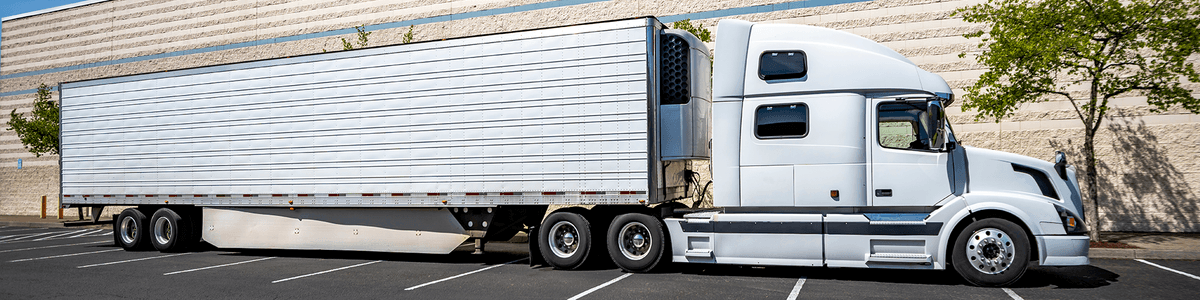
A refrigerated rig often carries two fuel tanks: one for the tractor engine and one for the reefer unit. The reefer unit is off-road use, so it can usually run on tax-exempt dyed diesel while the tractor runs clear. We fuel both and keep them on separate invoice lines.
The trucks, the warehouse and the backup power
Everything between the processing line and the customer’s dock that burns diesel or gasoline.
Refrigerated delivery trucks
Tractors and straight trucks with clear on-road diesel, fueled at the yard overnight.
Reefer units
Trailer refrigeration units fueled at the yard so the box stays in temperature between loads.
Forklifts and warehouse equipment
Diesel forklifts and yard equipment at distribution centers, on dyed diesel.
Backup generators
Standby power for cold rooms, freezers and refrigerated storage during utility outages.
Processing facility equipment
Diesel-powered equipment and support systems at food processing plants.
Support vehicles
Gasoline for vans, pickups and smaller equipment around the site.
We fuel food distribution centers, cold storage warehouses, food processing plants and beverage distribution facilities.
One supplier from the plant to the route
Diesel, gasoline and DEF on a single account, with consolidated billing across every facility.
Reefer fueling
Refrigerated trailers kept fueled at the yard to protect sensitive cargo.
Reefer fuelingOn-road diesel
Clear diesel for refrigerated delivery trucks and food transportation fleets.
On-road dieselMobile fleet fueling
Wet-hose fueling direct to trucks and reefer units at warehouses and distribution centers.
Mobile fuelingGenerator fueling
Scheduled and emergency fills for generators protecting cold storage and processing lines.
Generator fuelingOff-road diesel
Dyed diesel for forklifts, reefer units and equipment that stays on your property.
Off-road dieselDEF delivery
ISO 22241 DEF for newer trucks and equipment, delivered with the diesel.
DEF deliveryAlso available: gasoline delivery, fuel tank rentals for sites without storage, and emergency fuel delivery around the clock.
Where the cold chain usually breaks, and how we cover it
Most fuel-related spoilage traces back to one of four gaps. Each one has a simple fix.
The reefer that runs dry on route
Reefer tanks topped off at the yard before dispatch, not left to whatever the driver remembers.
The generator nobody checked
Cold storage generators on a monitored level or a fixed schedule, so they’re full when the grid fails.
The fuel stop in the delivery window
Trucks fueled overnight at the distribution center so drivers spend the route delivering.
The emergency at 2am
Dispatch staffed 24/7, 365 days a year, with emergency delivery when refrigeration is at risk.
How much does a reefer burn? Read reefer fuel explained.
Setting up food facility fueling
- Step 01
Tell us the sites
Facilities, truck and reefer counts, generators, and your receiving and shipping hours.
- Step 02
We plan around production
Delivery times set to avoid production runs, dock peaks and sanitation cycles.
- Step 03
Confirmed windows
Every delivery confirmed in advance, with site safety rules agreed.
- Step 04
One bill across sites
Consolidated billing, itemized by facility, gallons and product.
Food and beverage fuel questions
Can reefer units run on dyed diesel?
A reefer unit with its own fuel tank is an off-road use, so it can generally run on tax-exempt dyed diesel. The tractor pulling it runs on public roads and needs clear diesel. We deliver both and keep them separate on the invoice.
When do you fuel trucks at a distribution center?
Usually overnight or between shifts, while trucks are parked and before routes dispatch. We schedule around your receiving and shipping peaks so fueling doesn’t block the yard.
How do you keep cold storage generators ready for an outage?
Scheduled fills or fuel monitoring keep generator tanks at the level you need, and stored diesel can be tested and polished so it runs clean when called on. During an outage, emergency delivery is available 24/7.
Do you follow our food safety and site rules?
Yes. We coordinate deliveries around your food safety protocols, production schedules and distribution timelines. Tell us the rules for your site and we build them into every delivery.
Can you fuel forklifts and warehouse equipment?
Yes. We deliver dyed diesel for forklifts and other equipment that stays on your property, either into the equipment or into an on-site tank.
Do you have a minimum order?
No. We work with single processing facilities and nationwide distribution networks, with no minimum order.
Keep the product cold and the trucks moving.
Tell us about your facilities and fleet, and a dispatcher comes back within the hour. Refrigeration at risk right now? Call.