
Renewable diesel delivery that drops straight into your tanks.
R99 renewable diesel, also sold as HVO or R100, runs in the engines, generators and tanks you already own. No blending and no engine changes. FuelGo delivers it nationwide, with documentation for your sustainability reporting.
- Drop-in replacement for petroleum diesel, no modifications
- Sustainability documentation for ESG reporting
- Tank wagon drops and transport loads to 7,500 gallons
- R99
- R100
- HVO
- Hydrotreated vegetable oil
- Renewable diesel
5-star rated on Google
Get a renewable diesel quote
Tell us the site and volume. A dispatcher replies within the hour.
Prefer to talk? Call 800-720-4546, 24/7.
No spamNo contractsA dispatcher replies within the hour
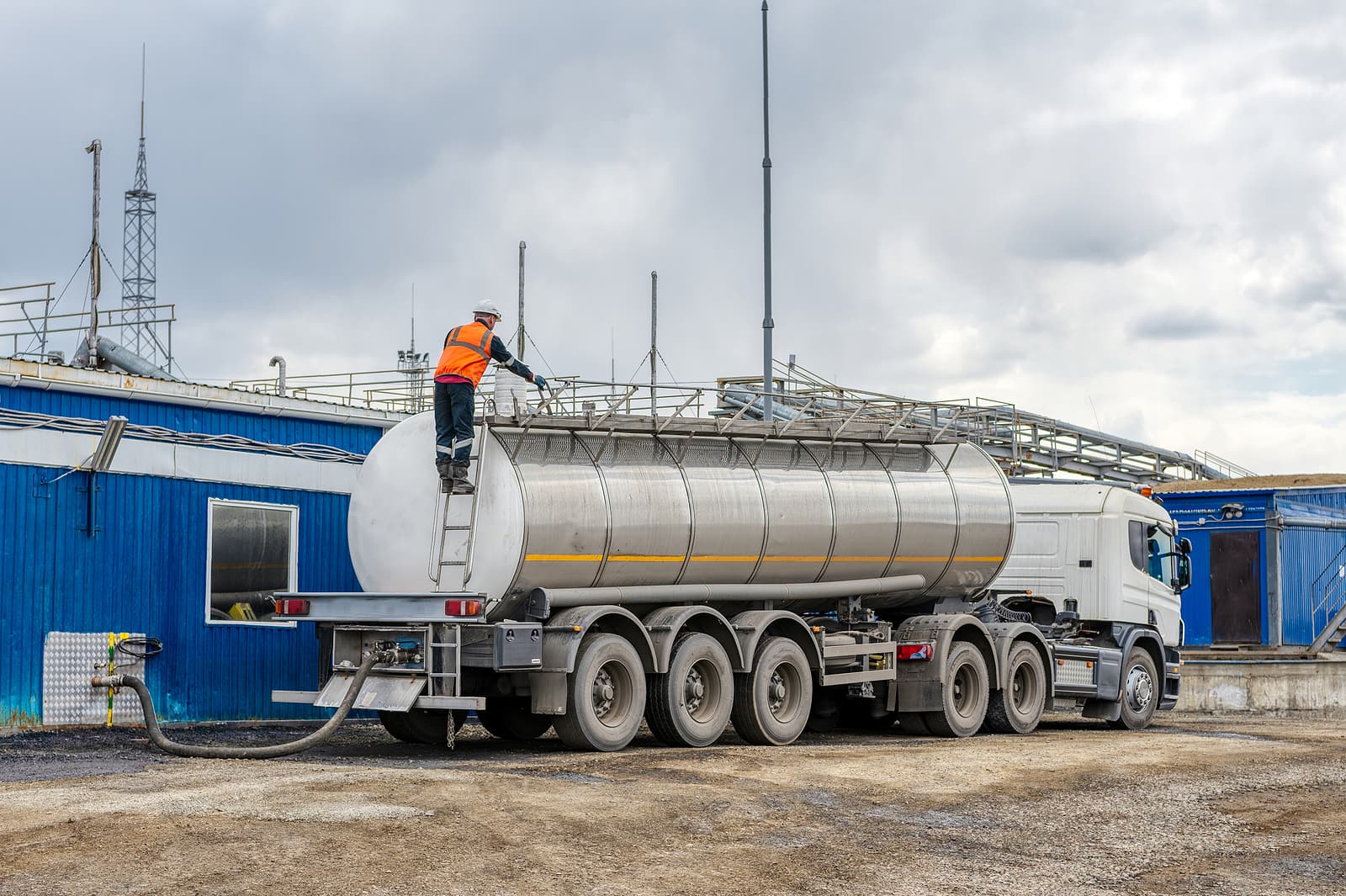
What is renewable diesel?
Renewable diesel is diesel fuel made from renewable feedstocks instead of crude oil: waste and inedible oils, animal fats, forestry and agricultural residues, and energy crops. Those oils are hydrotreated, which is where the name HVO, hydrotreated vegetable oil, comes from.
The result is chemically very close to petroleum diesel and meets the same ASTM D975 specification. That's the difference that matters on site: it goes into your existing tanks and engines with nothing to change, which a high biodiesel blend can't promise.
You'll see it sold under several names. R99 is the most common grade, about 99% renewable diesel with a small share of petroleum diesel. R100 is the neat product. Both are HVO.
Renewable diesel vs. biodiesel vs. regular diesel
Biodiesel blends like B5 or B10 still carry only 5–10% bio content. Renewable diesel replaces the petroleum fuel instead of diluting it.
| Compare | Petroleum diesel | Biodiesel blends | Renewable diesel |
|---|---|---|---|
| Made from | Crude oil | Petroleum diesel plus biodiesel, usually from crop oils such as soy | Renewable feedstocks: waste and inedible oils, fats, crop and forestry residues |
| Renewable content | 0% | 5–10% (B5, B10) | 99–100% (R99, R100) |
| How it's made | Refined from crude | Transesterification (FAME) | Hydrotreating (HVO) |
| Equipment changes | None | None at low blends, within engine maker limits | None. Meets the ASTM D975 diesel spec |
| In storage | Stable when kept clean and dry | Can degrade into sludge over time and clog filters | Resists degradation over long storage |
| Cold weather | Needs winter treatment in cold climates | Bio content raises the gel point | Better cold-weather performance than biodiesel |
| Combustion | Baseline | Similar to diesel | Higher cetane value, cleaner burn |
Biodiesel vs. diesel, explained →Red diesel vs. green diesel →
Lower emissions are the headline. The rest is operational.
Switching to renewable diesel helps well beyond carbon reduction, and none of it needs a capital budget.
Zero capital investment
Use it in existing equipment with no modifications to engines, fuel systems or storage. No retrofit, no new tanks.
Higher cetane
A higher cetane value means better combustion, more power and smoother running than conventional diesel.
Cleaner burn, less upkeep
Less carbon buildup in the engine, which can mean fewer filter changes and lower maintenance costs over time.
Cold-weather reliability
Performs better in low temperatures than biodiesel. Ask dispatch about the grade for your climate before winter.
Long shelf life
Resists degradation in storage, which lowers contamination risk in standby generator tanks that sit for months.
Compliance without construction
Up to 90% lower lifecycle greenhouse gas emissions than petroleum diesel, depending on feedstock, with no infrastructure changes.
Backup power that fits the carbon target.
Data centers are one of the largest growth areas for renewable diesel. Operators are under pressure to cut their carbon footprint without giving up an inch of reliability, and HVO in the backup generators does both. It lets data centers:
- Meet environmental compliance requirements
- Keep their existing generator equipment
- Keep reliable emergency backup power
- Hit corporate sustainability targets
- Support ESG reporting requirements

Renewable diesel for public fleets, farms and forests
HVO for government entities
State and local governments, particularly in places like California and New York, are increasingly mandated to lower carbon emissions. Renewable diesel is an immediate option because nothing on the vehicle or generator has to change. We supply HVO for:
- Emergency response vehicles
- Backup power systems
- Construction equipment
- Public works machinery
Renewable diesel for agriculture and forestry
Farms and forestry operations get the performance and the environmental upside, and they often supply the raw materials renewable diesel is made from. We deliver it for:
- Tractors and farm equipment
- Harvesting machinery
- Forestry equipment and irrigation pumps
- Processing facility generators and transportation fleets
Commercial fleets →Construction →How fleets make the switch →
From petroleum diesel to R99 in four steps
We guide the transition so the first renewable delivery is as routine as the last diesel one.
- Step 01
Check the equipment
Renewable diesel meets ASTM D975, the spec your engines already run on. We'll go through your engine and generator guidance with you.
- Step 02
Plan the first fill
R99 mixes with the diesel already in your tank, so there's no need to run it dry. Old tank? Polish it first.
- Step 03
Set the schedule
Scheduled refills or monitored tanks, with confirmed delivery windows, so supply stays consistent.
- Step 04
Report it
Sustainability documentation with your deliveries, ready for ESG and emissions reporting.
No R99 terminal near you? We ship it in.
R99 isn't stocked at every fuel terminal. Where we can pull it locally, it moves like any other load. Where there's no local terminal, we bring it in by rail or barge so your site can still run on it. Dispatch confirms the supply route and lead time for your site before we quote, so you're not left waiting on a promise.
A renewable diesel supplier that also runs your diesel program
- Nationwide supply networkWe source renewable diesel and HVO across the country, with one dispatch line for every site.
- Competitive pricingIndustry relationships we use to get better rates on your behalf.
- Critical-industry experienceData centers and government operations, where a missed delivery isn't an option.
- Tanks and fuel managementTank rentals, monitoring and scheduling for complete end-to-end service.
- Sustainability reportingSustainability documentation for your ESG reports.
- Transition guidanceExpert help when switching from conventional diesel, from first fill to steady schedule.
Renewable diesel questions, answered
What's the difference between renewable diesel and regular diesel?
Renewable diesel is made from renewable sources such as waste oils, fats and biomass, while conventional on-road and off-road diesel is refined from petroleum. Despite the different source, renewable diesel performs like regular diesel in engines and doesn't require equipment modifications.
What's the difference between biodiesel and HVO?
Biodiesel blends like B5 or B10 contain only 5–10% bio content mixed into petroleum diesel, and biodiesel is usually made from crop oils such as soy. HVO, or renewable diesel, is 99–100% renewable and is made by hydrotreating oils and fats into a fuel that's chemically close to petroleum diesel. Biodiesel can degrade into sludge over time and cause filter issues. Renewable diesel is more stable in storage.
What does HVO stand for?
HVO stands for hydrotreated vegetable oil. The name refers to the hydrotreating process used to turn renewable oils and fats into diesel fuel.
Can I use renewable diesel in equipment that takes regular diesel?
Yes. Renewable diesel can be used in equipment designed for conventional diesel without modifications. It has similar properties to petroleum diesel, so there's no need to change engines, fuel injectors, tanks or dispensing equipment.
Can renewable diesel be mixed with regular diesel in the same tank?
Yes. Renewable diesel and petroleum diesel blend in any ratio, so you can switch over with fuel still in the tank. If the tank hasn't been cleaned in a while, consider fuel polishing first.
What's the difference between R99 and R100?
R100 is neat renewable diesel. R99 is roughly 99% renewable diesel with a small share of petroleum diesel, and it's the grade most commonly sold. Both are referred to as HVO and both run as drop-in diesel.
What are the benefits of switching to renewable diesel?
Lower lifecycle emissions, a higher cetane value for better combustion, better cold-weather performance than biodiesel, longer storage stability, and meeting sustainability requirements without equipment modifications.
Can you deliver renewable diesel to my location?
Yes, nationwide. R99 isn't available at every terminal, so where we can't pull it locally we ship it in by rail or barge. Lead time depends on that route, and dispatch confirms it for your site before quoting. Call 800-720-4546 or send the form and you'll hear back within the hour.
Do you provide documentation for ESG reporting?
Yes. We provide sustainability documentation with your renewable diesel deliveries to support ESG and emissions reporting.
Cut diesel emissions without touching the engine.
Tell us the site, the equipment and the volume. A dispatcher confirms R99 availability and comes back within the hour.
Or email [email protected]