
Mobile fleet fueling that has every truck full by morning.
We wet-hose your trucks, vans and equipment where they park, overnight or between shifts. Your drivers start the day full and stop losing paid hours at the pump.
- Every gallon logged by vehicle, time and location
- On-road and off-road diesel, gasoline, DEF and reefer fuel
- No minimum: 100 gallons or several thousand
- Wet hosing
- Fleet fueling
- Mobile fueling
- Yard fueling
- Direct-to-equipment
5-star rated on Google
Get a fleet fueling quote
How many units, which fuels, where they park. A dispatcher replies within the hour.
Prefer to talk? Call 800-720-4546, 24/7.
No spamNo contractsA dispatcher replies within the hour
Your fleet's most expensive errand is the trip to the pump.
Every fuel stop takes a paid driver off the job: drive to the station, wait, fill, drive back. Our fuel card comparison puts it at 15–30 minutes per fill-up. Multiply that by every vehicle, every week, and it's the biggest line on the fuel bill that never shows up on the invoice.
Time back
No more trips to gas stations. Crews stay on productive work instead of refueling tasks.
Lower labor cost
Fewer paid hours away from the job site, and fuel runs stop turning into extended breaks.
Safer handling
Your employees stop transporting fuel and handling it in potentially hazardous environments. Our operators do it.
Reaches tight sites
Smaller fuel trucks get into remote locations and tight yards that full-size tankers can't.
24/7 availability
Emergency and after-hours mobile fuel delivery, so operations keep running when the plan changes.
No minimum order
Scaled to your exact needs: one truck at 100 gallons or a full yard at several thousand.
What is mobile fleet fueling?
Mobile fleet fueling, usually called wet hosing, means our driver fuels each vehicle or machine straight from the truck. You don't need a storage tank, and nobody on your team touches a nozzle.
We use smaller fuel trucks built for construction sites, yards and remote locations, not the semi-trailer tankers that supply gas stations. They fit where your equipment actually sits.
Most fleets run it after hours. The yard empties out, the truck works down the line, and every unit is full before the first driver clocks in.
Want fuel stored on site too? We fill tanks as well. See on-site fuel delivery or read the benefits of wet hosing.
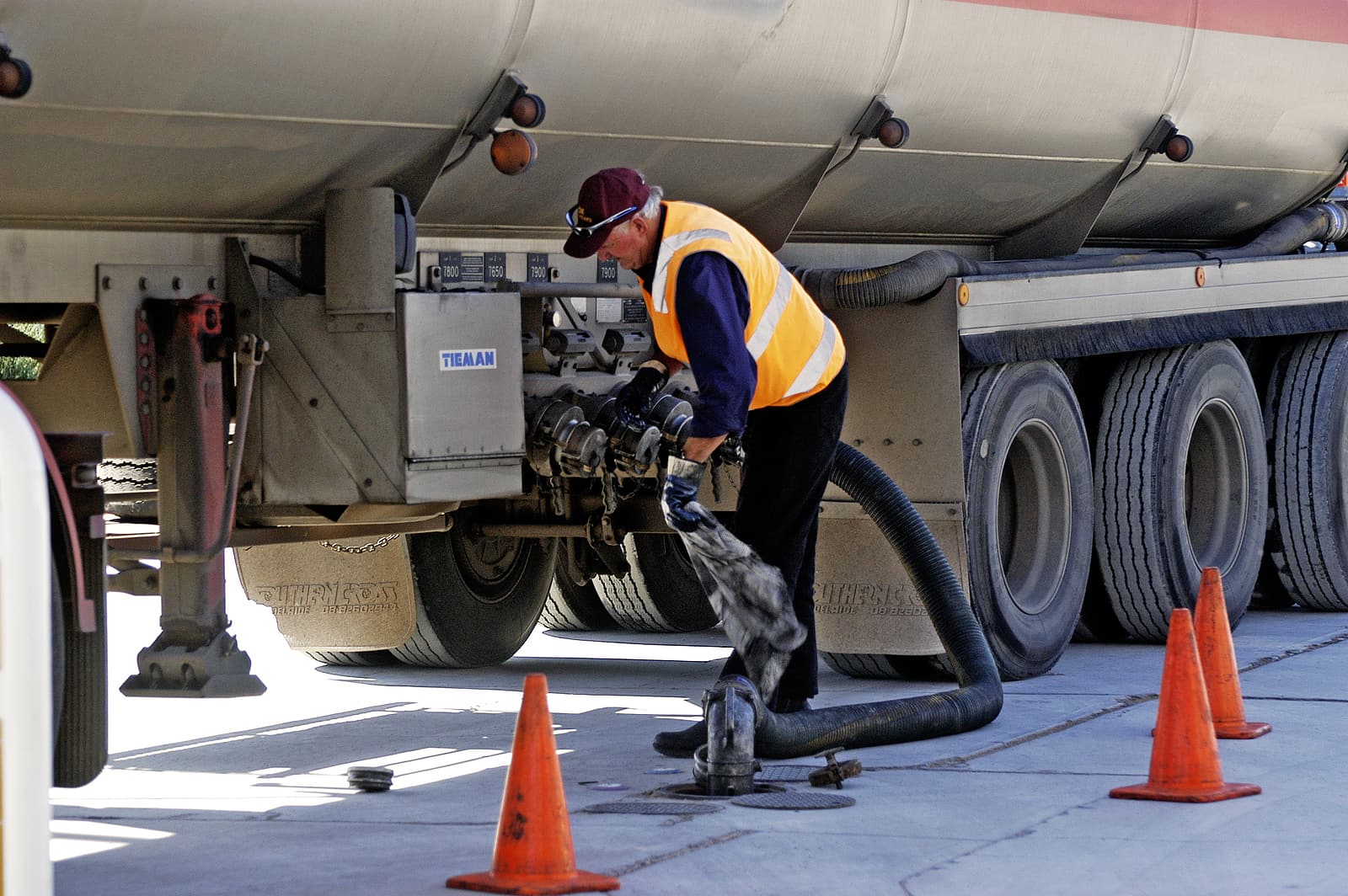
Close the three most common leaks in your fuel budget.
When we fuel the vehicle directly, there's no card at a gas station and no unsecured tank on the job site. Here's what that shuts down.
Double fueling
A driver fills a personal vehicle or extra cans along with the company truck. With wet hosing, the only tank that gets fuel is the one on your unit list.
Fuel card abuse
Cards get shared, stolen or used outside work hours with no visibility. No card in the driver's wallet means nothing to misuse.
On-site tank siphoning
Fuel stored in unsecured tanks on job sites can be stolen after hours. Fuel that goes straight into equipment isn't sitting around to take.
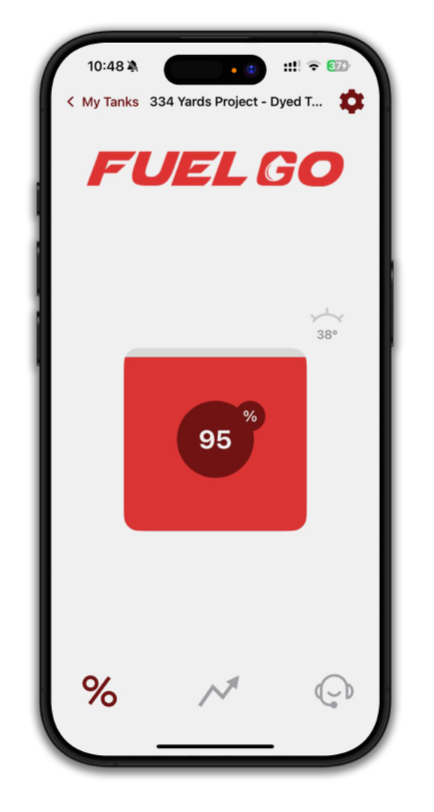
Every gallon tracked by vehicle, time and location.
That's total control and accountability, and a fuel report you can actually use to spot the unit that burns twice what it should. Compare wet hosing with fuel cards →
How a wet-hose route runs
Set it up once. After that it repeats on schedule, and you only call when the fleet changes.
- Step 01
Send the unit list
Vehicles and equipment, fuel type per unit, yard address, gate access and the window that works.
- Step 02
Truck arrives in your window
A confirmed delivery window, usually after hours or between shifts, so nothing waits on fuel.
- Step 03
Every unit fueled
The driver works down the line: trucks, vans, equipment, reefers, and DEF where it's needed.
- Step 04
Logged and invoiced
Gallons by vehicle, time and location on an itemized invoice. Pay by card, ACH or check.
Fuels we can wet-hose
Mixed fleets are normal. Tell us which units take what and we fuel each one with the right product.
On-road diesel
Highway-taxed ULSD for trucks and vans.
On-road diesel DyedOff-road diesel
Tax-exempt fuel for equipment that stays off public roads.
Off-road diesel GasGasoline
For light-duty fleet vehicles and small equipment.
Gasoline DEFDiesel exhaust fluid
Topped up with the diesel so SCR trucks don't derate.
DEF delivery ReeferReefer fuel
Refrigeration units kept running at the yard.
Reefer fuelingMobile fueling for crews that can't leave the site
Construction sites
Equipment keeps running and crews stay on site, instead of taking long fuel runs that turn into snack stops and extended breaks.
Data centers
Backup generators kept fueled for continuous operation, because an outage costs far more than the fuel.
Telecommunications
Generators and service vehicles at cell towers and remote installations, without your techs hauling fuel up the service road.
Trucking fleets
Tractors fueled at distribution centers and yards, so drivers skip the truck stop line and make their delivery windows.
Emergency response
Rapid mobile fuel deployment for disaster response, so first responders focus on the response instead of fuel logistics.
Agriculture
Fuel delivered to remote fields during planting and harvest, when equipment has to run continuously.
Mobile fleet fueling questions
What is mobile fuel delivery?
Mobile fuel delivery brings fuel directly to your site, equipment or fleet in a fuel truck, so your workers don't have to drive to a gas station. It's also called wet hosing: we fill each vehicle or piece of equipment directly instead of delivering into a storage tank.
What's the difference between wet hosing and bulk fuel delivery?
Wet hosing fuels each vehicle or machine directly from our truck. Bulk delivery fills your storage tank, and your team dispenses from it. Many sites use both: bulk for the tank, wet hosing for the equipment that can't come to it.
What types of equipment do you fuel?
Construction equipment, generators, commercial vehicles, agricultural machinery, telecommunications equipment and emergency response vehicles, among others. If it has a fuel tank and a place we can park beside it, ask dispatch.
Which fuels can you wet-hose?
On-road diesel, off-road diesel, gasoline, diesel exhaust fluid (DEF) and reefer fuel. Tell us the fuel per unit and we'll plan the route around it.
Do you offer 24/7 mobile fuel delivery?
Yes. We provide emergency and after-hours mobile fuel delivery 24/7/365, so operations keep running through unexpected situations. Most scheduled wet-hose routes run overnight or between shifts.
Is there a minimum order for mobile fleet fueling?
No. Service is scaled to what you need, whether that's 100 gallons or several thousand.
How does wet hosing reduce fuel theft?
We fuel your vehicles directly, so there's no fuel card to share and no unsecured tank to siphon after hours. Every gallon is tracked by vehicle, time and location.
Do I need a fuel tank on site?
No, that's the point of wet hosing. If you also want fuel stored on site, we rent tanks from 119 to 17,000 gallons and keep them filled.
How do I get started?
Contact FuelGo with your unit list, fuel types, yard address and preferred window. Our truck arrives at your location and time and fuels your equipment or vehicles directly, with minimal disruption to your operations.
Stop paying drivers to stand at the pump.
Send the unit list and the yard address. A dispatcher replies within the hour with a route, a window and a price. Dispatch runs 24/7/365.
Or email [email protected]